MSCA Postdoctoral Fellowships
I am glad to act as host supervisor for Marie Skłodowska-Curie Actions Postdoctoral Fellowship applications in my areas of expertise: layer-by-layer thin films and functional surfaces, boron nitride and carbon nanomaterials, electrospun membranes, structural energy storage, CO2 capture, and atmospheric water harvesting. MSCA European Postdoctoral Fellowships run 12 to 24 months, are open to researchers of any nationality who hold a doctorate and who relocate to Europe under the mobility rule, and are submitted jointly by the researcher and the host institution. Sabancı University provides the research infrastructure and the administrative support that these applications require.
If you are considering a proposal with Sabancı University as host, write early. A competitive MSCA application needs a real scientific conversation, not a signature: several weeks to shape the research idea, the training and secondment plan, and the impact section around what you actually want to learn here.
MSCA Postdoctoral Fellowships 2026 call →
TÜBİTAK fellowship programs
I also welcome enquiries from researchers applying to the TÜBİTAK international fellowship programs, including the 2232-B International Fellowship for Early Career Researchers and postdoctoral positions funded through MSCA COFUND programs supported by TÜBİTAK's 2236-B contribution fund, which is open to YÖK-designated research universities such as Sabancı University. Under 2236-B, TÜBİTAK adds research and institutional cost contributions on top of the European Commission living and mobility allowance.
For any of these routes the practical question is the same: which of the group's active projects your work would connect to, and what equipment and consumables it needs. Tell me that in your first email and I can give you a straight answer about feasibility and timing.
TÜBİTAK 2236-B program page →
Ph.D. and M.Sc. applicants
Graduate admission runs through the Materials Science and Nano Engineering program in the Faculty of Engineering and Natural Sciences, which offers funded M.Sc. and Ph.D. places on a competitive basis. Applicants come from materials science, chemistry, chemical engineering, mechanical engineering and physics. What matters more than the label on the degree is whether you are willing to learn a synthesis route properly and characterize it honestly.
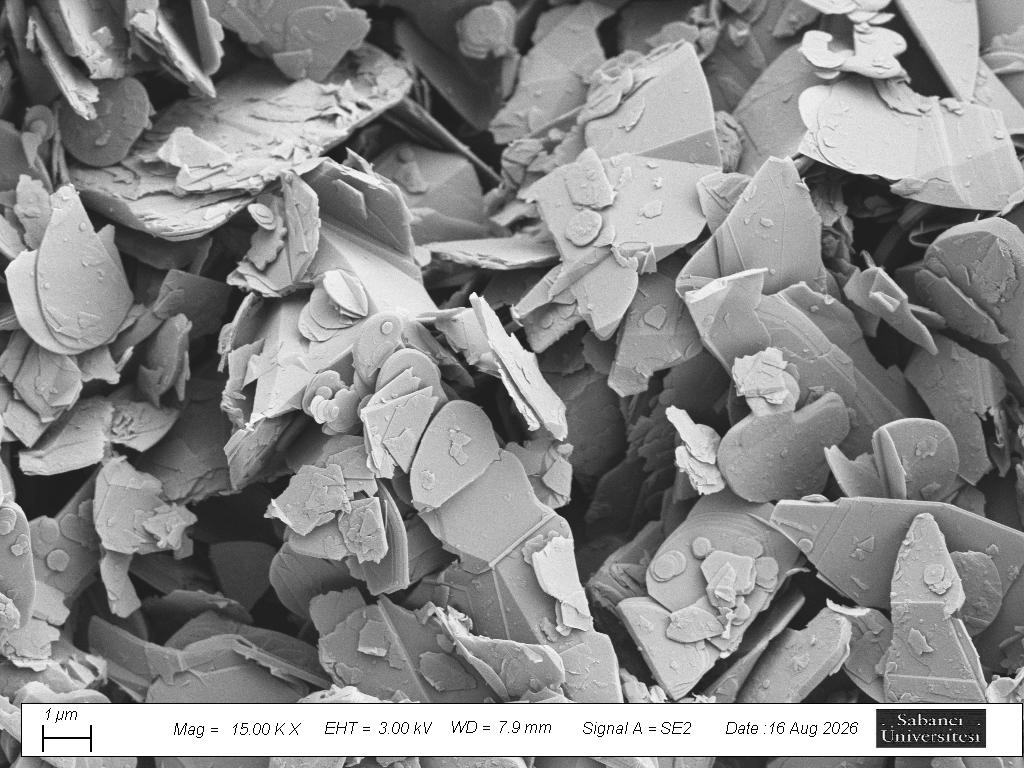
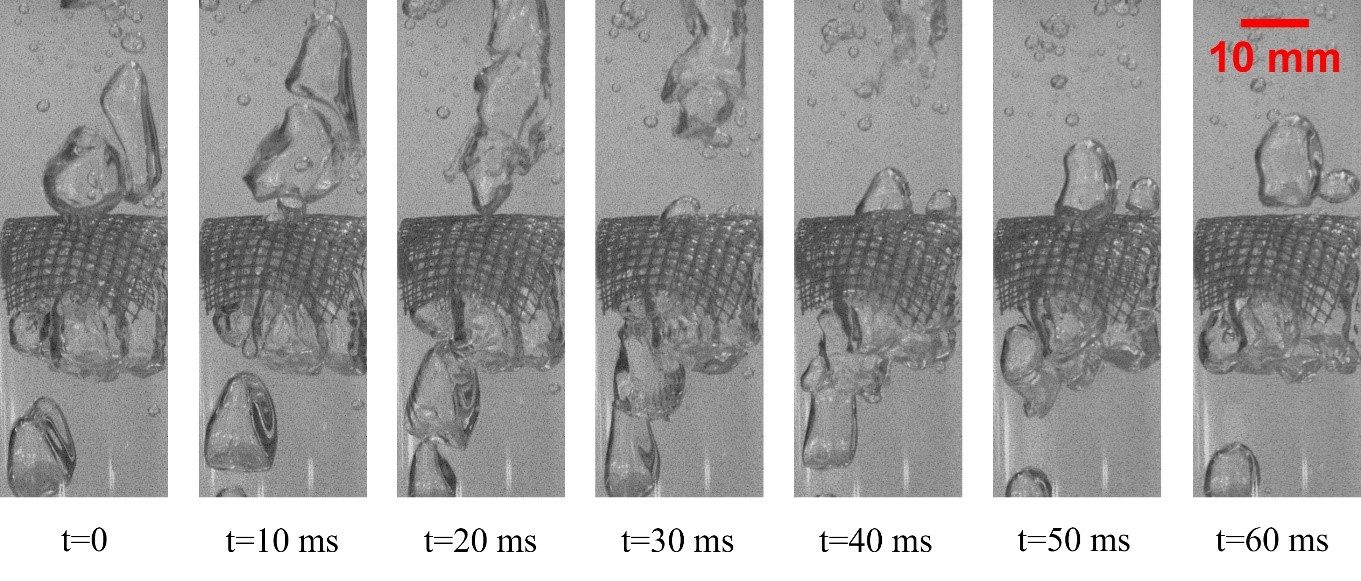
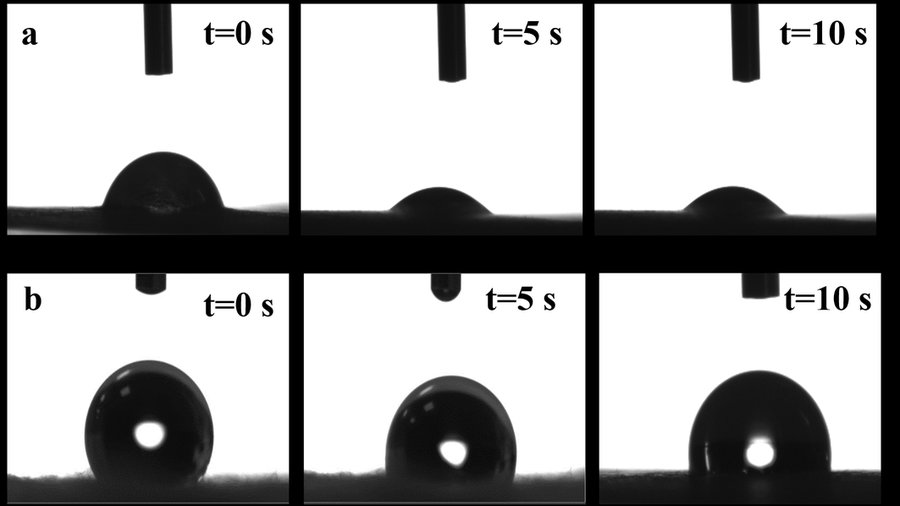
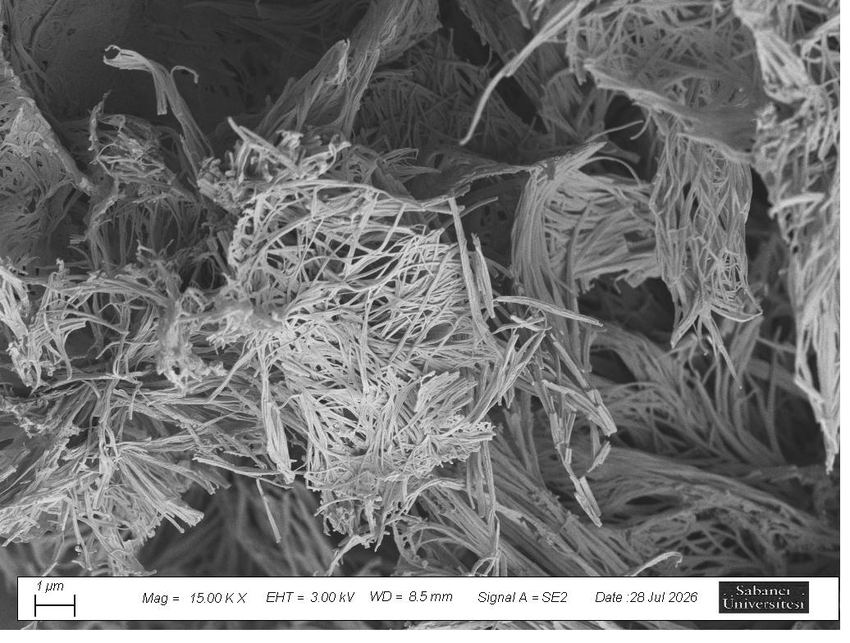
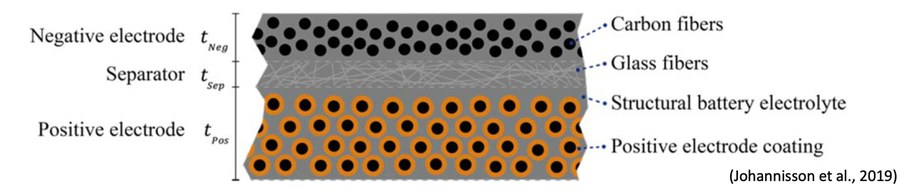
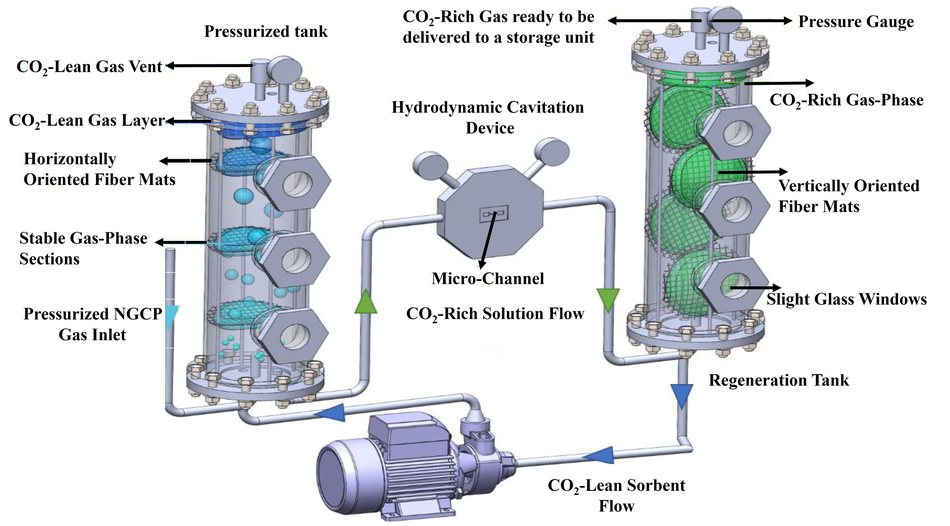
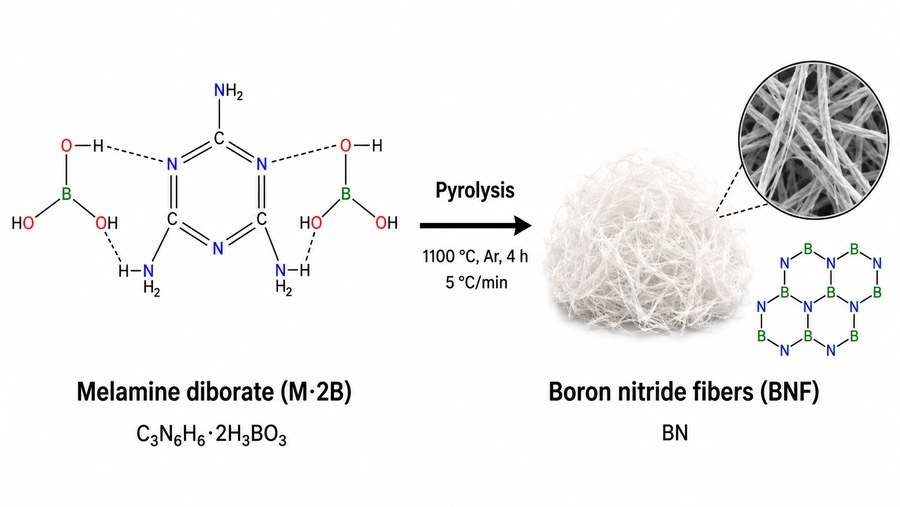
Openings in the group follow our active projects: atmospheric water harvesting with MOF and boron nitride hybrids, boron nitride fiber synthesis, ionically conductive separators for structural batteries, and cavitation assisted separation. If one of those is close to what you want to work on, write directly.
PURE and summer internships
PURE, the undergraduate research program at Sabancı University, treats undergraduates as researchers rather than observers: the emphasis is on learning to ask a question, investigate it and judge the evidence. Projects run in both summer and fall terms and are open to students from other universities as well.
I welcome PURE students and summer interns as long as the lab has bench space and a supervisor with time for them, which in practice means a small number each term. The work is real, small and self-contained: a synthesis parameter, a measurement protocol, an image-analysis pipeline. Several such projects have ended up in published papers with the student as a co-author.
PURE program →
How to write
Email fccebeci@sabanciuniv.edu with a CV, a transcript and a short paragraph on which of the group's research areas you want to work on and why. Concrete is better than enthusiastic: name a paper of ours you have read and say what you would do next.